10th May
1st April
Stress Awareness: How the Body Holds Stress — and How Massage Can Help
Stress is something we often think of as mental or emotional — busy minds, racing thoughts, and pressure. But stress doesn’t just live in the mind. It shows up in the body too, often long before we consciously recognise it.
Becoming aware of how stress manifests physically is an important step in supporting both wellbeing and movement.
________________________________________
How Stress Shows Up in the Body
When we’re under stress, the nervous system shifts into a heightened state of alert. Muscles subtly tense, breathing becomes shallower, and the body prepares to “cope”.
Over time, this response can lead to very real physical symptoms, including:
• Tight neck and shoulders
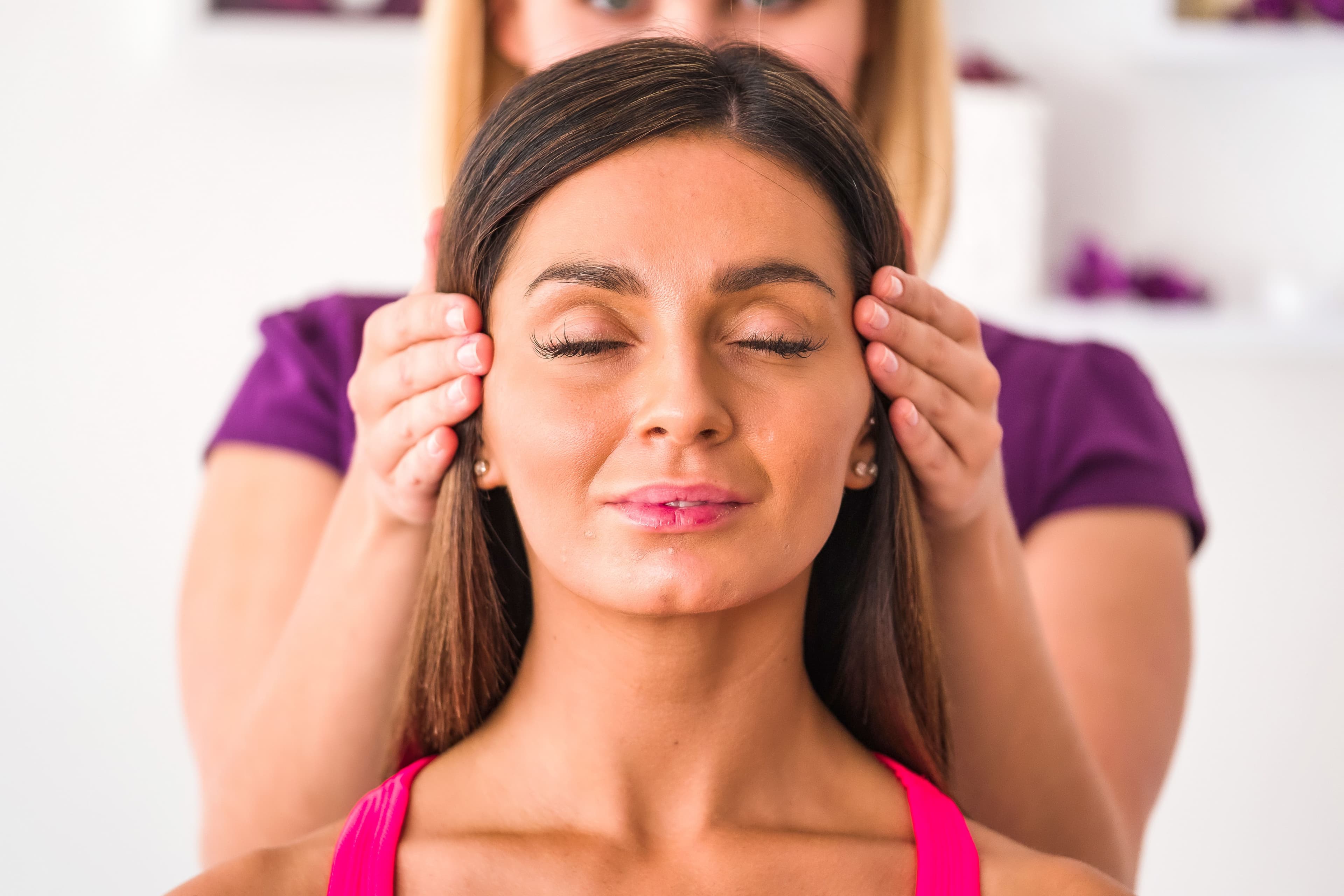
• Jaw clenching and headaches
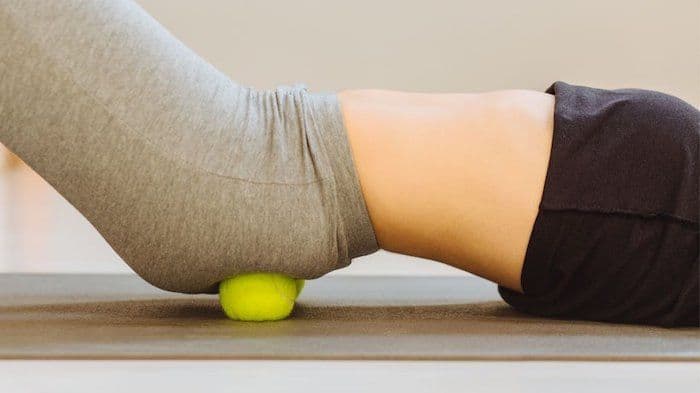
• Lower back pain
• Hip and pelvic tension
• Digestive discomfort
• Poor sleep and fatigue
Many people don’t connect these symptoms with stress — instead assuming they’re caused by posture, age, or overuse alone.
________________________________________
The Accumulation Effect
Stress-related tension doesn’t usually appear suddenly. It builds gradually through:
• Long periods of sitting or screen use
• Emotional pressure or workload demands
• Lack of recovery time
• Poor sleep or irregular routines
The body adapts by holding tension — often subconsciously. Over time, this can affect posture, movement patterns, and even pain perception.
________________________________________
Why Awareness Matters
Awareness is key. Recognising stress in the body allows us to respond earlier, rather than waiting until symptoms escalate.
Common signs the body may be under stress include:
• Feeling constantly “tight” or stiff
• Aches that move or change location
• Pain without a clear injury
• Difficulty fully relaxing, even at rest
Listening to these signals can prevent long-term discomfort and recurring pain.
I often call the moment that someone gets a “physical symptom” the “life effect”. The life effect is when you suddenly cant do something, like pick up your child, check your blind spot in the car, sit at the desk without a headache. Clients often say, I didn’t have an accident, there isn’t a physical trauma that they can recall, but when I dig a little deeper, they’ve had months of chronic stress in their lives…This eventually manifests in the body through a physical symptom.
________________________________________
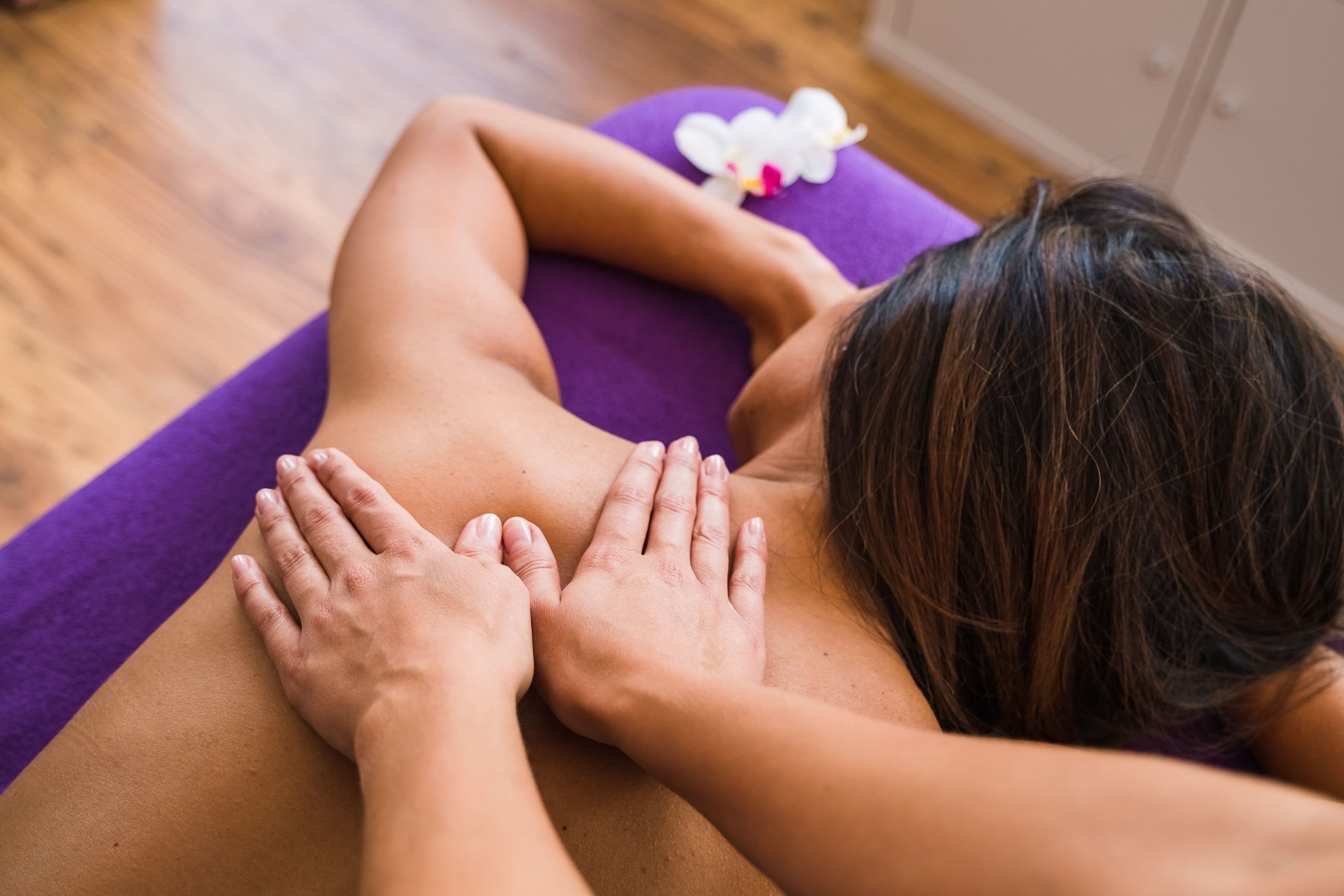
How Massage Helps with Physical Stress Symptoms
Massage supports the body by addressing both the physical effects of stress and the nervous system response behind them.
Massage can help by:
• Reducing muscle tension and guarding
• Improving circulation and tissue health
• Encouraging deeper, calmer breathing
• Supporting relaxation of the nervous system
• Improving body awareness and movement
Many people notice not just physical relief, but a sense of calm and reset after treatment.
________________________________________
Stress, Pain & the Nervous System
When the nervous system is under prolonged stress, it can become more sensitive. This means the body may perceive discomfort more strongly, even without significant tissue damage.
Massage helps by:
• Sending calming signals to the nervous system
• Supporting the shift from “fight or flight” to “rest and restore”
• Improving the body’s ability to recover
This is why massage can be such a valuable part of managing stress-related pain.
________________________________________
Supporting the Body Holistically
Massage works best alongside:
• Gentle movement
• Breath awareness
• Adequate rest and recovery
• Acknowledging emotional and physical stressors
It’s not about “fixing” stress — it’s about helping the body feel safe, supported, and able to let go of tension.
________________________________________
Listening to What Your Body Is Telling You
Stress awareness isn’t about eliminating stress altogether — it’s about recognising its impact and responding with care.
If your body feels tight, heavy, or persistently uncomfortable, it may be asking for support.
Massage offers space to pause, reset, and reconnect with how your body feels — supporting both physical comfort and overall wellbeing.